Moving to a place like West Chester, PA comes with plenty of benefits—but how much should you really expect to spend? From charming downtown streets to strong schools and commuter perks, it’s no surprise that Philadelphia movers often recommend it to clients looking for a balance between cost and quality of life. But liking the vibe and affording it are two different things. So, let’s dig into the actual numbers and details behind the cost of moving to West Chester, covering everything from housing prices to hidden fees that could catch you off guard.
How Much Do Homes Actually Cost in West Chester?
West Chester homes aren’t cheap, but they’re not out of reach either. The average home price in the borough sits around $550,000 as of mid-2025, with properties in West Goshen Township averaging closer to $520,000. Movers in West Chester PA note that home prices in Media can hit $600,000 and up, while Exton offers slightly more space for less—averaging around $480,000. Prices in West Chester have been climbing steadily, about 6–7% year over year.
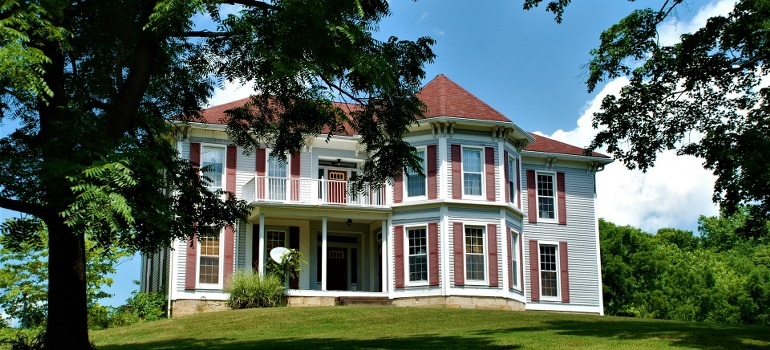
The borough is a seller’s market, meaning you’ll likely pay close to asking price, especially for anything under $600K. If you’re hoping to buy, now’s the time—waiting could push that number even higher. West Chester’s appeal lies in its walkability, preserved historic homes, and consistent appreciation, all of which impact the cost of moving to West Chester long before you pack a box.
What should you expect from home prices in West Chester?
Prices aren’t the lowest, but they reflect strong demand and long-term value.
- Average home price in West Chester Borough is around $550,000
- West Goshen Township averages slightly lower at $520,000
- Media is more expensive, while Exton is more affordable
- Homes under $600K often sell quickly and near asking price
- Annual appreciation is about 6–7%, favoring buyers who act sooner
How Do Property Taxes Stack Up?
Property taxes in West Chester vary depending on location, but they’re not the cheapest in the state. Long distance movers in Philadelphia point out that West Chester Borough has a combined millage rate of about 32.1 mills, while West Goshen Township averages closer to 25.5. That means a $500,000 home in the borough could see annual property taxes near $8,000, while a similar home in West Goshen might owe closer to $6,500.
Chester County’s overall tax burden is moderate compared to Pennsylvania’s highest-tax areas, but borough taxes fund more public services and infrastructure projects. These costs add up fast for new homeowners, so make sure to include that number when calculating your total cost of moving to West Chester.
How do property taxes in West Chester affect your total costs?
Tax rates vary by neighborhood and can significantly impact your budget.
- West Chester Borough: around 32.1 mills total
- West Goshen Township: closer to 25.5 mills
- $500,000 home in the borough could owe nearly $8,000 annually
- West Goshen home of same value might pay $6,500 in taxes
- Higher taxes often fund more borough services and infrastructure
What’s Cheaper—Renting or Buying?
Renting in West Chester is still viable but growing more expensive. The median rent for a one-bedroom apartment hovers around $1,800, while a three-bedroom unit can push past $2,800, depending on the neighborhood and amenities. Local movers in Philadelphia say most renters pay higher rates for modern buildings closer to downtown.
Buying may seem pricey upfront, but monthly mortgage payments—especially with today’s interest rates—can actually be lower than rent for similarly sized properties. If you can cover the down payment, buying may offer more long-term stability. That said, renters avoid taxes, maintenance, and closing costs, which helps keep initial move-in expenses lower when calculating the cost of moving to West Chester.
Is it smarter to rent or buy in West Chester right now?
Renting is easier upfront, but buying might save money long term.
- 1-bedroom rentals average $1,800 per month
- 3-bedroom apartments go beyond $2,800
- Mortgage payments can be lower than rent if rates are favorable
- Renters avoid property tax and maintenance but get no equity
- Buyers benefit from appreciation and long-term stability
How Much Will You Spend on Commuting?
Transportation is a key factor for West Chester residents. If you commute to Philadelphia, expect to spend real money on SEPTA, tolls, gas, or parking. Last Minute movers in Philadelphia report that monthly SEPTA passes from nearby Exton or Paoli run about $125, and parking at the stations can add another $20–$50 per month. If you drive, Route 202 or 476 can cost you in tolls and gas—especially with prices holding around $3.90 per gallon in summer 2025.
Commuting into Philly five days a week could mean an extra $300 to $500 monthly. Keep in mind the convenience of proximity to major routes comes with traffic stress and added costs that raise the real cost of moving to West Chester beyond what’s listed on paper.
What’s the real cost of commuting to Philadelphia?
Daily travel costs stack up fast depending on how you get there.
- SEPTA pass from Exton/Paoli is around $125 monthly
- Parking at regional rail adds $20–$50 per month
- Gas averages $3.90 per gallon in summer 2025
- Route 202 and 476 may include tolls
- Driving into the city daily can cost $300–$500 per month
What Are You Looking at for Monthly Bills?
Utility bills in West Chester are fairly standard but fluctuate with older home styles. Interstate movers in Philadelphia say the best schools are often in neighborhoods with historic homes, which aren’t always energy efficient. Heating oil or electric bills in winter can hit $300 or more, while gas-heated homes usually average $150–$200. Water/sewer bills tend to land around $80 monthly.

Internet and cable packages average $100–$150, depending on speed and bundling. Newer developments have better insulation and energy efficiency, so if you’re cost-conscious, keep an eye on the build year. All this affects your total housing expenses—and ultimately the cost of moving to West Chester—in more ways than just your rent or mortgage.
How much do monthly utilities typically cost in West Chester?
Utility expenses vary depending on home size, age, and heating method.
- Electric or heating oil bills can hit $300+ in winter
- Gas heat averages $150–$200 monthly
- Water and sewer bills around $80/month
- Internet and cable packages typically $100–$150
- Older homes often have higher energy costs due to poor insulation
Is the Cost of Living Higher Than Nearby Areas?
Compared to Philadelphia, West Chester sits slightly higher on the cost-of-living scale, especially for housing and groceries. Senior moving services in Philadelphia often help retirees choose West Chester for its livability, but many find grocery prices about 5–8% above the national average. Dining out is pricier too—expect to pay $18–$20 for a basic lunch downtown and closer to $40 per person for dinner.
Healthcare is solid and moderately priced, but insurance premiums can be higher depending on provider availability in Chester County. West Chester beats parts of suburban NJ in overall affordability, especially when factoring in lower income taxes, but still ranks among the more expensive areas in Southeastern Pennsylvania. That makes the cost of moving to West Chester feel manageable but not exactly cheap.
Is it expensive to live in West Chester, PA?
It’s slightly above average, but still competitive with nearby cities.
- Grocery prices are 5–8% higher than the national average
- Dining out is more expensive than Philly suburbs
- A casual lunch can cost $18–$20 per person
- Healthcare prices are moderate with good provider access
- Better cost balance than suburban NJ, with lower taxes
What Should Families Budget for Schools?
West Chester Area School District is highly rated and often eliminates the need for private school tuition. That’s a major savings for families. Public schools like Henderson High and Rustin High draw strong reviews across the board. There are school taxes, though. They’re part of your property tax bill, and they fund the district’s operations and capital improvements. Annual fees for extracurriculars, lunches, and supplies can also add up to around $1,200 per student per year.
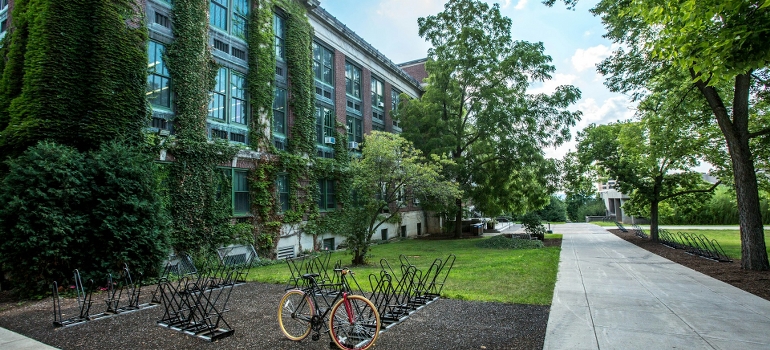
For private options, local tuition averages $15,000–$22,000 annually. Families choosing West Chester for its public schools usually do so to avoid that cost entirely, which helps offset the overall cost of moving to West Chester for households with children.
Are schools strong enough to skip private tuition?
Yes—and that can mean huge savings for families with kids.
- West Chester Area School District is highly rated
- Strong public schools reduce pressure to pay for private education
- School taxes are baked into property taxes
- School-related costs average $1,200 per student per year
- Private school tuition ranges from $15K to $22K per year
Are There Hidden Fees in Neighborhoods?
Depending on where you settle, you may face HOA fees or borough service fees. Move management experts recommend reviewing these costs upfront, as they can swing monthly budgets fast. HOAs in newer developments charge between $50 and $300 per month, depending on amenities like pools, trash, and landscaping. Borough services like trash and recycling are usually covered through municipal taxes, but snow removal may be extra in some zones.
Some historic districts also require permit fees for renovations or even certain paint colors, which can get expensive over time. These fees don’t always show up in listings but should absolutely be factored into the cost of moving to West Chester if you’re buying a home.
Will you need to pay HOA or borough fees?
Some neighborhoods include extra costs that aren’t obvious up front.
- HOAs range from $50 to $300 per month
- HOA fees cover landscaping, trash, snow removal, or amenities
- Borough services like trash and recycling are often tax-funded
- Historic districts may have renovation or appearance-related permit fees
- Always review community regulations before you buy
What Kind of Salaries Can You Expect?
West Chester’s job market spans healthcare, education, finance, and tech. The average individual income is around $65,000, while household incomes often hit $110,000 or more, especially in two-income households. Many residents work in Philly or King of Prussia, taking advantage of higher wages and short commutes. That said, working locally often means smaller paychecks.

A retail manager might make $50,000 in West Chester versus $65,000 in the city. Salaries in healthcare and finance are competitive but vary depending on your role and experience. Remote work has also reshaped local demand, with many people keeping city jobs while avoiding the rent. If your income can stretch in this zone, the cost of moving to West Chester becomes easier to manage over time.
What is the average income in West Chester PA?
You’ll need a strong income, especially if you’re buying a home.
- Average individual income is around $65,000
- Household incomes often exceed $110,000
- Healthcare, education, and finance are strong local sectors
- Commuting to Philly or King of Prussia can increase earning potential
- Remote work gives more flexibility in choosing West Chester
Is It a Good Investment Long-Term?
West Chester homes hold value and then some. In the past five years, appreciation rates have averaged 5–7% annually, which is higher than the state average. Philadelphia movers who’ve tracked buyer trends note a growing number of people relocating from bigger cities specifically for the borough’s historic charm, strong schools, and walkable downtown. Neighborhoods like East Bradford and West Goshen show especially strong ROI for buyers who hold property for at least five years.
Renovated homes in historic zones sell fast and at premium prices. New construction is limited, which keeps demand high and inventory low. That puts upward pressure on home values and increases the long-term payoff—making the cost of moving to West Chester not just a housing expense but a solid investment decision.
Can you expect a return on your investment in West Chester PA?
Yes, West Chester real estate tends to hold and grow its value.
- 5–7% annual home appreciation in recent years
- Limited inventory keeps buyer demand strong
- Historic homes and walkable neighborhoods boost value
- East Bradford and West Goshen show solid resale performance
- New construction is rare, adding to demand for existing homes
So, What’s the Final Word on the Cost of Moving to West Chester?
Relocating to West Chester isn’t a budget move, but it’s rarely a regrettable one. From strong schools to stable real estate and manageable commute options, the town punches above its weight in value. The cost of moving to West Chester includes more than down payments and rent—it’s about lifestyle, investment potential, and everyday costs that add up or save you money depending on how you plan. For people who can afford the upfront bite, the return is strong. Factor in your transportation needs, income stability, and school preferences, and you’ll know fast if it’s a fit.




