Retiring in Bryn Mawr comes with perks people don’t always expect. This Main Line town mixes historic charm with walkable streets, boutique shops, and a college-town atmosphere that keeps the neighborhood lively without feeling hectic. Philadelphia movers often hear from clients who are surprised that Bryn Mawr has one of the most convenient train rides into Center City, usually under half an hour, which helps retirees stay connected without committing to city living. Another fun detail is that Bryn Mawr College’s presence brings free lectures, art events, and community programs that many locals enjoy long after they’ve stopped working. Retiring here also means access to high-quality healthcare, strong property values, and a tight-knit community that feels welcoming from day one. If you like quiet streets, good food, and easy mobility, this suburb stands out.
How Much Will Daily Living Cost When Retiring in Bryn Mawr?
Housing sits at the top of most people’s concerns, and retirement in Bryn Mawr means planning around Main Line pricing. Movers in Bryn Mawr PA often point out how homes here run higher than the Pennsylvania average, but the stability appeals to long-term residents. Single-family homes typically range from the high $700,000s into the millions, depending on location and updates. Condos and smaller units often sit between $350,000 and $600,000, giving retirees more manageable options.

Property taxes vary, but many households pay several thousand dollars per year based on home size and neighborhood. Independent-living or 55+ communities usually cost more than statewide averages, with monthly rates often in the mid-$4,000s. Yet the value holds because you gain safety, accessibility, and amenities that reduce stress. Bryn Mawr retirement comes with higher costs, but people often view those costs as long-term investments in comfort and peace of mind.
What Do the Real Numbers Say About Bryn Mawr’s Housing Costs?
Planning ahead feels easier when you can see the actual figures. These numbers give a snapshot of what retirees usually budget for when settling into the Main Line.
- Typical single-family home prices range from $750,000 to over $1.5M
- Most condos fall between $350,000 and $600,000
- Average property tax bills often land between $7,000 and $14,000 per year
- Independent-living communities average $4,200–$4,600 per month
- Pennsylvania’s overall median home price is lower, near the low-$300Ks, meaning Bryn Mawr runs above average
How Strong Is Healthcare Access in Bryn Mawr?
Healthcare quality matters when planning retirement, and retiring in Bryn Mawr comes with clear advantages. Companies that provide senior moving services in Philadelphia highlight how the area’s medical network gives retirees reassurance and quick access to specialists. Bryn Mawr Hospital sits right in town, providing emergency services, surgery centers, and advanced care that reduces travel for appointments. The broader Main Line Health system adds layers of convenience with cardiology, orthopedics, physical therapy, and diagnostic services within a short drive.

Rehab centers, private practices, and wellness clinics also cluster around Lancaster Avenue, making it easy to fit appointments into a predictable routine. This medical setup supports aging adults who want high-quality care nearby. Retiring here becomes easier when you know serious health needs won’t require long commutes or complicated planning.
How Strong Is Healthcare Access in Real Terms?
It helps to look at the practical numbers behind the medical convenience that draws people to the area. These details show why many retirees feel safe settling in Bryn Mawr.
- Bryn Mawr Hospital offers 24/7 emergency care and over 300 physicians
- Main Line Health handles 2M+ patient visits per year across its network
- Driving distance to most specialists is 5–15 minutes
- Rehab and physical therapy centers sit within a 1–3 mile radius
- Philadelphia’s major hospitals are roughly 25–35 minutes away, giving retirees additional backup options
What Retirement Living Options Are Available in Bryn Mawr?
Housing variety plays a major role in planning, and retiring in Bryn Mawr gives you several routes to aging comfortably. Local movers in Philadelphia PA, offer insight into how people choose communities that match their independence level. Independent-living communities, life-plan communities like Beaumont at Bryn Mawr, and assisted-living facilities all sit within or near town. Many places offer dining, transportation, housekeeping, and medical support, which helps retirees stay active without managing everything alone.
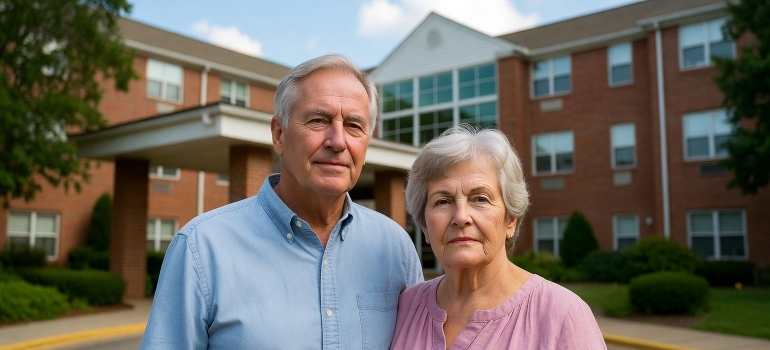
In-home care services also play a growing role for people who prefer to remain in private residences. Transportation programs throughout the area make it easier to attend appointments or run errands without relying entirely on a car. Retiring in Bryn Mawr becomes more flexible when you have choices that adapt to your needs as they change.
What Options Do Retirees Actually Have for Senior Living?
Choosing the right setup depends on independence level, support needs, and lifestyle preferences. These quick numbers show the variety available in Bryn Mawr.
- The area offers 25–30+ independent or assisted-living communities
- Life-plan communities like Beaumont span 50+ acres with onsite services
- Monthly assisted-living costs average $5,000–$6,500 in the region
- In-home care typically ranges from $28–$35 per hour
- Transportation programs often provide rides within 5–10 miles for medical and essential errands
What Matters the Most Shen Retiring in Bryn Mawr?
Retiring in Bryn Mawr works well for people who want comfort, stability, and strong neighborhood support. The town offers higher costs, but those costs come with safety, walkability, reliable healthcare, and appealing housing options. Bryn Mawr allows you to have predictable routines and access to both suburban calm and big-city resources. You can enjoy convenience at your own pace while staying connected to the greater Philadelphia region. Bryn Mawr retirement ultimately gives you a lifestyle that feels grounded, accessible, and designed for long-term well-being.




