Philadelphia has a way of making newcomers feel at home. The city combines rich history with modern growth, and it’s no surprise that more people are choosing to settle here. Anyone moving to Philadelphia from out of state will notice how much variety there is in neighborhoods, housing, and culture. Reliable Philadelphia movers help make that transition smoother and less stressful, giving you more time to explore the city instead of worrying about logistics. If you’re planning a move soon, this guide covers everything you need to know so you can arrive prepared and confident.
How Does the Cost of Living in Philadelphia Compare to Other Cities?
Philadelphia’s cost of living runs just above the national average, which surprises many newcomers. Philadelphia interstate movers often remind clients to budget not only for housing but also for groceries, utilities, and healthcare. Housing expenses average $2,566 per month for renters, though many residents pay closer to $1,800 for a modest one-bedroom apartment. Home values hover around $234,000 to $280,000, depending on the neighborhood. Utilities typically cost $401 monthly, which is about 6% higher than the U.S. average.

Groceries average $724 monthly, while transportation comes in near $405 with SEPTA passes, fuel, and parking fees factored in. Healthcare is one of the few categories that falls slightly below national averages at $140 monthly. Compared to New York or Washington, DC, Philadelphia feels more affordable, yet it remains pricier than smaller Pennsylvania cities. Out-of-state movers should calculate these categories carefully so the full picture is clear before arriving.
What Will Your Monthly Budget Really Look Like?
Philadelphia feels slightly above the national average but remains cheaper than NYC or DC. These numbers show the essentials at a glance:
- Rent (average 1-bedroom): $1,800
- Median rent overall: $1,996
- Utilities: $401/month
- Groceries: $724/month
- Transportation: $405/month
- Healthcare: $140/month
What Should You Know About Philadelphia’s Housing Market in 2025?
Homebuyers and renters entering Philadelphia in 2025 face a competitive yet manageable market. Median listing prices are around $280,000, while median sold prices are closer to $270,000. Companies that provide moving services in Philadelphia highlight that rowhomes dominate older neighborhoods, while modern apartments and condos appeal to younger professionals. The average home value stands at about $234,700, reflecting a 3% year-over-year increase. In the metro area, median sold prices reach $357,250, showing steady growth and confidence in the region. Rental prices also vary widely: studios average $1,400, one-bedrooms $1,800, and three-bedrooms up to $2,800.
Renters find the city more affordable than New York or Boston but pricier than Pittsburgh. Neighborhoods like Fishtown and Northern Liberties attract younger buyers, while University City is popular with academics. More traditional family-oriented buyers often look to Chestnut Hill or Mount Airy. Anyone moving to Philadelphia from out of state should research neighborhoods early and consider both commute times and lifestyle fit.
How Much Do Philly Homes and Rentals Actually Cost?
The housing market is steady, with both buyers and renters finding options across different neighborhoods. Here are the key figures:
- Zillow average home value: $234,718
- Median listing price: $280,000
- Median sold price: $270,000
- Metro area median sold: $357,250
- Median home price in city limits: $268,000
- Studio rent: $1,400
- 3-bedroom rent: $2,800
Where Are the Best Job Opportunities in Philadelphia?
Philadelphia’s economy rests on a diverse foundation of industries. Healthcare, education, and finance dominate, but technology continues to expand. Last minute movers in Philadelphia often work with professionals relocating quickly for job offers, especially in hospitals and universities. The metro holds over 3.1 million jobs, with major employers including Penn Medicine, Temple University, and Comcast. Tech salaries average $121,000, with data scientists and cybersecurity specialists earning even more. Healthcare roles remain high paying as well, with specialists often above $250,000 annually.

Education employs over 159,000 people in the region across 88 institutions. Finance and insurance also contribute heavily, as Philadelphia hosts several large firms with steady career opportunities. The combination of a strong healthcare network, a cluster of universities, and an expanding tech scene makes the city attractive for professionals moving to Philadelphia from out of state. Salaries may not match New York’s, but they balance well with the lower living costs.
Which Industries Pay the Most Right Now?
Philadelphia thrives on healthcare, education, and tech, with salaries that balance the cost of living. Here’s what newcomers can expect:
- Total jobs (metro): 3.1 million
- Average tech salary: $121,187
- Data science roles: $131K–$161K
- Cybersecurity roles: $136K–$169K
- Average tech wages overall: $109,700
- Top medical salaries: $250K–$281K
- Universities: 88 institutions, 159,000 employees
How Do People Get Around and What Are the Commuting Realities?
Transportation is one of the biggest adjustments newcomers face. SEPTA provides subways, buses, and regional rail, but cuts and fare increases are scheduled for late 2025. Long distance movers in Philadelphia often mention that car ownership in the city brings both convenience and challenges. Parking is limited in many neighborhoods, and new rules enforce strict time limits in loading zones, with fines starting at $51. Public transportation, however, remains the backbone of the city, with monthly passes covering most needs for commuters. Bike access has also expanded, with lanes spread across the city and racks on buses.
Regional rail allows bikes on weekends and during non-rush hours. Driving is possible but requires awareness of towing rules and permit parking in dense areas. Commute times average about 30 minutes, shorter than most major cities, though traffic spikes around I-95 and the Schuylkill Expressway. Anyone moving to Philadelphia from out of state should explore transit options before relying solely on cars.
What’s the Real Cost of Getting Around?
Public transit dominates, but cars and bikes also play big roles. Here’s what stands out in 2025:
- SEPTA fare hike: +21.5% (Sept 2025)
- Service cuts: 20% reduction
- Parking fine (loading zone): $51 after 3 minutes
- Double parking fine: $76
- Average commute time: 30 minutes
- Bike racks: on all buses and trolleys
- Regional rail bikes: allowed weekends and off-peak
How Strong Is Philadelphia’s Education System?
Philadelphia offers a mix of public, charter, and private schools, along with a powerful university presence. Shipping companies in Philadelphia often see a wave of families bringing educational supplies when relocating for their children’s schooling. The School District of Philadelphia enrolls over 117,000 students, while charter schools account for about 64,000 more. Cyber charter enrollment adds another 14,000. Private and parochial schools fill gaps for families looking for alternative programs. Higher education defines much of the city’s reputation, with institutions like the University of Pennsylvania, Temple University, and Drexel University drawing students from around the world.

The city’s 88 colleges and universities employ nearly 160,000 people and contribute billions to the economy. Parents moving to Philadelphia from out of state find plenty of educational choices, though school quality varies widely across neighborhoods, making research essential. College students gain direct access to internships and employment through these major institutions, creating a long-term advantage.
How Many Students Fill the Classrooms?
The city is one of the largest education hubs in the country, from K-12 to universities. Numbers tell the scale:
- Public school district: 117,956 students
- Charter schools: 63,964 students
- Cyber charter: 14,252 students
- Colleges & universities: 88
- Higher ed workforce: 159,000 employees
- Total college students in metro: ~300,000
What Makes Philadelphia’s Healthcare System Stand Out?
Healthcare in Philadelphia is nationally recognized, giving residents peace of mind. The Hospital of the University of Pennsylvania ranks among the best in the country, with net patient revenue exceeding $3.3 billion and over 1,000 beds. Move management experts emphasize that many people relocate specifically to access world-class hospitals in the city. Children’s Hospital of Philadelphia is another global leader, generating $2.7 billion in annual revenue and providing cutting-edge pediatric care.
Temple University Hospital also plays a central role with nearly $2 billion in revenue. Specialists in obstetrics, surgery, and internal medicine earn well above national averages, which fuels the city’s demand for top medical professionals. For families and individuals moving to Philadelphia from out of state, this network of advanced hospitals ensures access to high-quality treatment without leaving the metro. The presence of these institutions also means strong employment opportunities for healthcare workers of every level.
Which Philadelphia Hospitals Lead the Rankings?
Philadelphia hospitals dominate state and national ratings, making the city a healthcare powerhouse:
- Hospital of Univ. of Pennsylvania: $3.36B revenue, 1,051 beds
- Children’s Hospital of Philadelphia: $2.7B revenue
- Temple University Hospital: $1.99B revenue
- Specialists salaries: $250K–$281K
- Multiple hospitals ranked in U.S. News Top 250
What Lifestyle and Cultural Experiences Define Philadelphia?
Philadelphia balances deep history with modern cultural energy. Food anchors much of local life, from cheesesteaks at Pat’s and Geno’s to high-end dining along Walnut Street. Senior moving services in Philadelphia often help retirees who want to enjoy the city’s museums, theaters, and festivals after relocating. Arts and entertainment remain central, with the Philadelphia Orchestra, Barnes Foundation, and Pennsylvania Academy of Fine Arts offering year-round events. Sports culture is another defining trait, with the Eagles, Phillies, 76ers, and Flyers commanding passionate fan bases.
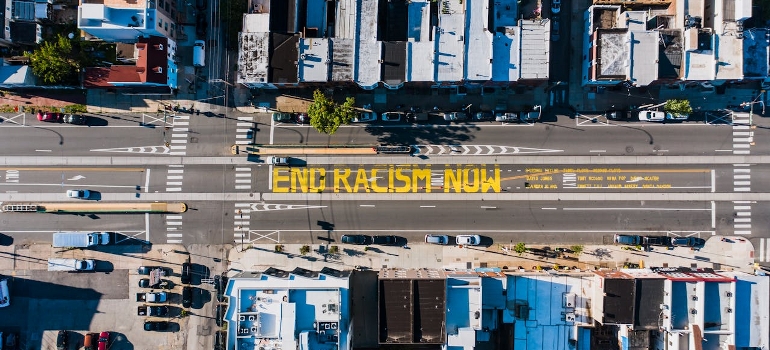
Festivals bring neighborhoods together, like the Chinese Lantern Festival and the massive Wawa Welcome America celebration. Compared to New York, Philadelphia offers easier access to cultural institutions without overwhelming crowds or prices. Anyone moving to Philadelphia from out of state will quickly discover that locals embrace their city with pride, blending tradition with a forward-looking creative scene. It’s a place where history meets everyday life in ways that few cities can match.
What Makes Life Here Unique Beyond Work?
From food to sports, Philadelphia’s lifestyle blends energy with tradition. Highlights include:
- Arts ranking: Top 40 most vibrant U.S. cities
- Annual Wawa Welcome America festival: hundreds of thousands attend
- Major sports teams: Eagles, Phillies, 76ers, Flyers
- Landmark museums: Barnes Foundation, PAFA, PMA
- Famous foods: Cheesesteaks, soft pretzels, roast pork
How Much Does It Cost to Move to Philadelphia From Another State?
The cost of an interstate move varies by distance, home size, and service level. On average, long-distance relocations to Philadelphia cost about $3,500, though they can range from $2,200 to $10,500 depending on mileage and weight. Moving to Philadelphia from out of state may even exceed $7,000 for cross-country moves requiring full packing and transport. Renting a moving truck typically costs $30 to $100 per day, with mileage fees adding several hundred dollars more.
For belongings that can’t go directly into the new home, companies that offer temporary storage in Philadelphia provide a practical solution. Standard units average $180 to $250 monthly if climate controlled, with larger 10×20 spaces climbing past $300. Professional movers charge $90 to $180 per hour for two movers and a truck, which is common for local service once you arrive in the city. Parking permits, tolls, and tips for movers add extra. Families who budget in advance find that costs stay manageable, but those relocating on short notice often face higher expenses.
What Should You Budget for the Move Itself?
Interstate moves vary widely, but the most common ranges look like this:
- Average long-distance move: $3,500
- Range: $2,200–$10,500
- Cross-country average: $7,780
- Truck rental: $30–$100/day + mileage
- Storage (climate-controlled 10×10): $180–$250/month
- Movers (2 + truck): $90–$180/hour
- Local move estimates: $460–$4,145
What Regulations and Logistics Should You Expect?
Philadelphia enforces strict rules about parking, loading zones, and moving truck access. Since April 2025, a new law requires all vehicles in designated loading areas to register with CurbPass. After three minutes without registration, a $51 fine applies, with double parking fines at $76. Moving to Philadelphia from out of state often involves navigating these local rules, which surprise newcomers used to more lenient systems. Homeowners’ associations in certain neighborhoods may require advance notice for moving trucks or elevator reservations in condo buildings.
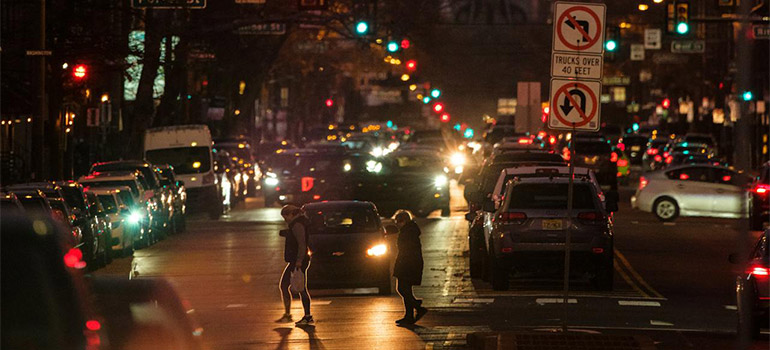
Local permits for oversized trucks may also be necessary if your move involves large loads. Interstate regulations require licensed carriers, and checking the Department of Transportation numbers ensures movers are compliant. These logistics add complexity, but once handled properly, the process runs more smoothly. Preparation and awareness are key, especially for those unfamiliar with Philadelphia’s street layout and parking enforcement policies.
What Rules Can Trip Up Newcomers?
Philadelphia enforces strict street and parking policies. Key numbers every mover should know:
- Loading zone grace: 3 minutes before fine
- Fine amount: $51
- Double parking fine: $76
- CurbPass registration: free but required
- Moving truck permits: mandatory in some neighborhoods
- HOA/condo elevator reservations: often required
What to Remember When Moving to Philadelphia From Out of State
Anyone moving to Philadelphia from out of state needs to focus on the numbers and rules that shape daily life. Housing averages $1,800 for a one-bedroom and $280,000 for median home sales, with utilities near $400 and groceries at about $724 monthly. Transit costs include a SEPTA fare hike and strict parking enforcement, with fines starting at $51. Job opportunities remain strong in healthcare, education, and tech, while universities and hospitals add long-term stability to the region. Interstate moving costs average $3,500 but can climb past $7,000 for cross-country relocations, and temporary storage adds another $180 to $250 monthly if needed. Checking permits, researching neighborhoods, and preparing a budget that reflects these realities will keep surprises to a minimum. The city offers affordability compared to larger metros and provides access to world-class culture, education, and healthcare, making it a solid choice for newcomers who plan carefully.




