Moving to Bryn Mawr can feel like a smart upgrade for anyone looking to balance suburban calm with city access. It’s a place that draws families, professionals, and retirees who want quality schools, strong public transit, and a safe, close-knit feel without giving up convenience. Philadelphia movers often recommend it to people ready for a slower pace without sacrificing proximity to the city. It’s not the cheapest spot around, but many believe the lifestyle makes up for the cost. If you’re weighing the pros and cons, here’s what you really need to consider before calling it home. From commuting and rent to the school system and daily life, let’s dig in and see if a move to Bryn Mawr fits your plans.
How Easy Is It to Commute From Bryn Mawr to Philly?
Transit access is one of Bryn Mawr’s biggest strengths. Movers in Bryn Mawr PA say the SEPTA Paoli/Thorndale Line is a game changer for people who need to get into Center City quickly. The line connects Bryn Mawr Station to Suburban Station in just 27 minutes and usually runs every hour, which keeps life predictable for commuters. However, proposed service cuts could change that, especially during peak travel hours. Still, if you’re not on a rigid schedule, it’s a solid option.
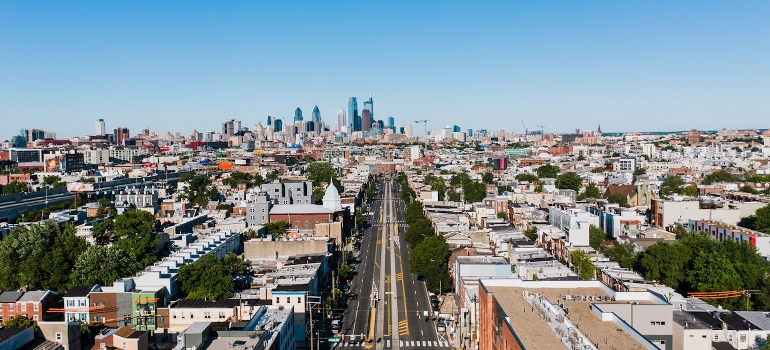
Driving into Philadelphia is also manageable, averaging 20 to 21 minutes for the 11-mile stretch, although rush hour can slow things down. The upside? Reddit users and locals agree that Bryn Mawr avoids many of the worst traffic patterns that plague other Philly suburbs. If easy access to the city is a must, move to Bryn Mawr.
Is Bryn Mawr Expensive to Live?
Bryn Mawr’s housing market definitely leans upscale. Movers in Delaware County PA advise their clients to research closely before house hunting here. As of June 2025, the median listing price hovered around $799K—down 14.5% year over year—but most home values still land between $725K and $850K. Zillow even places the average at $884K, showing a modest 3.7% increase from last year. Renters should expect to pay more than the national average, too.
Studios go for about $1,300/month, one-bedrooms average $1,850, and larger units can push $2,200 to $2,400. Overall, rent averages around $2,300, making it 24% higher than national norms. That might sound steep, but for people prioritizing location, safety, and school access, it often feels like a worthwhile investment. If affordability is a hard line, though, relocating to Bryn Mawr might stretch your budget more than you’d like.
What Are the Best Neighborhoods in Bryn Mawr—and What Do They Cost?
Bryn Mawr’s neighborhoods offer a mix of historic charm, walkability, and access to top-rated schools. Prices vary depending on proximity to the train station, lot size, and whether you’re closer to Radnor or Lower Merion Township. Here’s a look at a few standout areas and what you can expect to pay.
- North Bryn Mawr – Mostly single-family homes with large yards; median home prices range from $900K to $1.2M; typical rent is around $2,500/month
- Garrett Hill – More modest homes and a mix of rentals; home prices average $500K to $700K; one-bedrooms rent for about $1,800/month
- South Bryn Mawr – Closer to shopping and restaurants; home prices land between $750K and $900K; two-bedrooms rent for $2,300–$2,600/month
- Ashbridge – A leafy, quiet neighborhood with quick access to Route 30; home prices average $800K–$950K; rent varies but hovers near $2,400/month
- Rosemont (Bryn Mawr section) – Known for Tudor-style homes and walkability; homes range from $850K–$1.1M; apartments rent for around $2,200/month

How Strong Are the Public and Private School Options?
For families, Bryn Mawr’s school system is a major draw. Local movers in Philadelphia PA have seen more and more parents move specifically for the public schools. Top-rated options include Ithan Elementary, Coopertown Elementary, and Harriton High—each scoring 10/10 for academic performance. Test scores show reading and math proficiency far above state averages, hitting 89% and 80% respectively. But public schools aren’t the only game in town.
About 63% of local students attend private institutions, way above Pennsylvania’s 14% average. Standouts like The Agnes Irwin School, The Baldwin School, The Shipley School, and Jack M. Barrack Hebrew Academy all earn A+ marks and offer serious educational value. If schooling is a key part of your decision, relocating to Bryn Mawr gives you access to some of the best options in the region without needing to look far.
Which Bryn Mawr Schools Stand Out the Most?
Bryn Mawr has some of the strongest public and private schools in the region, which is a big reason families keep moving in. Performance scores are consistently high, and the area offers both academic rigor and a supportive environment. Here’s a closer look at the top schools serving the community.
- Ithan Elementary School (Radnor Township SD) – Rated 10/10; known for strong STEM programs and a close-knit learning culture
- Coopertown Elementary School (Haverford Township SD) – Also rated 10/10; praised for teacher quality and reading proficiency
- Harriton High School (Lower Merion SD) – One of the region’s top-rated public high schools; strong AP program and college prep
- The Agnes Irwin School – Private all-girls school, pre-K–12; focuses on leadership, STEM, and liberal arts; tuition approx. $40,000/year
- The Baldwin School – Private, girls-only, pre-K–12; top-tier academics and arts; tuition around $38,000–$45,000/year
- The Shipley School – Co-ed private school, pre-K–12; known for progressive education and individualized support; tuition about $41,000/year
- Jack M. Barrack Hebrew Academy – Private Jewish day school, grades 6–12; combines rigorous academics with cultural education; tuition approx. $35,000/year
What’s Daily Life in Bryn Mawr Like for Residents?
There’s something about Bryn Mawr that feels both peaceful and active. The town has a walkable Main Line layout filled with small shops, green spaces, and relaxed cafes that encourage you to slow down. There’s no need to drive everywhere, and that’s a big plus for people who hate traffic or want a tighter sense of community. Safety scores high, neighbors tend to be friendly, and the area gives off a well-maintained vibe that many suburbs struggle to match.
That said, it comes at a premium. Higher grocery costs, upscale retail, and luxury services reflect the town’s affluence, and it can feel less diverse in both culture and income levels. Still, if you want a safe place with local charm and easy access to essentials, relocation to Bryn Mawr can deliver all that in one package.
Who’s Relocating Here—And Why?
The people drawn to Bryn Mawr aren’t all the same, but many are looking for the same things: stability, safety, and long-term value. Families often prioritize schools and want a suburban setup where kids can bike or walk safely. Professionals see the easy access to Center City as a chance to work in Philly without having to live in the middle of it. Retirees like the slower pace and strong local services.
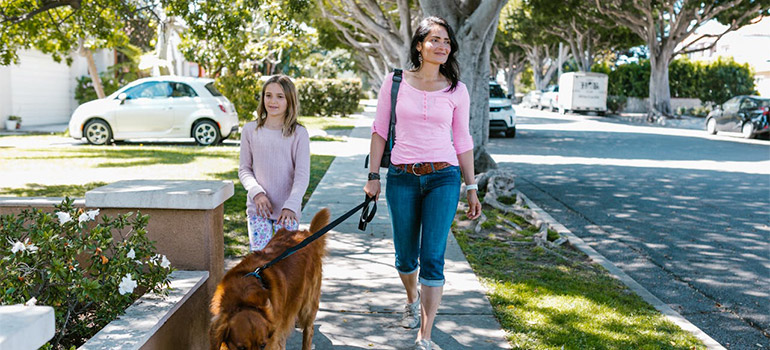
Even remote workers are showing interest, looking for a blend of calm surroundings and city access when needed. In a broader trend, Pennsylvania has seen people moving in from Florida, New York, and the Carolinas—many looking to stretch their income or escape high costs and heat. Moving to Bryn Mawr checks a lot of those boxes while offering a refined feel that doesn’t scream suburbia.
So, Is Moving to Bryn Mawr the Right Choice for You?
If you’re looking for quiet streets, top schools, and easy trips to Philly, moving to Bryn Mawr could be your next smart move. It’s not cheap, but many say the lifestyle more than makes up for the price. The commute’s easy, the schools are top-notch, and the vibe is walkable and calm. Add to that a community full of people who moved for similar reasons, and it starts to sound like more than a simple suburb. If that sounds like your kind of place, a move to Bryn Mawr might be exactly what you need.




