
Philadelphia offers charm that few cities can match. Its historic homes come with timeless details—arched windows, ornate trim, and hand-carved banisters. But moving fine art into these properties can quickly become complicated. That’s where planning pays off. If you want to move your art collection safely in historic homes of Philadelphia, it’s worth working with experienced Philadelphia movers who understand the layout and materials in older properties. These aren’t modern drywall boxes—you’re dealing with plaster, brick, and wood that’s been there for centuries. You’ll need to think strategically to preserve both your collection and your new home.
What Structural Challenges Come With Historic Philly Homes?
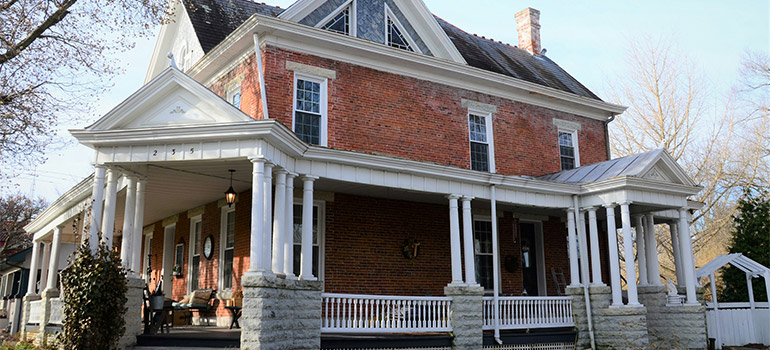
You won’t find standard layouts in these homes. Doorways are often too narrow for large canvas frames. Staircases may twist sharply or run steeply. And some walls won’t handle even light pressure without crumbling. Last minute movers in Philadelphia say some of the biggest moving mistakes happen when people don’t measure correctly. Before you move anything, document every inch of your access points: front doors, back alleys, stairs, and hallways. Anything larger than 30 inches wide could require disassembly, hoisting, or removal of interior doors.
Also, check the flooring strength. Older hardwood can creak or crack under heavy installations. You’ll want to reinforce high-traffic areas and use furniture sliders under crates. And don’t forget to protect surfaces—wrap door frames, corners, and railings to avoid accidental scratches from framed pieces or sculpture bases.
How Can Humidity and Drafts Affect Fine Art in Older Homes?
Philadelphia’s weather is unpredictable, and older homes don’t regulate temperature well. Cold drafts and sudden humidity spikes can ruin artwork fast. Local movers in Philadelphia PA advise their clients to avoid storing art in areas with insulation gaps, like sunrooms, basements, or closed-off third floors. Canvas can stretch or warp, paper can ripple, and varnish can crack from thermal swings. Even quick exposure during transit can cause moisture to settle in. If you’re moving during summer or winter, request a climate-controlled truck and keep art inside a stable environment until the rooms are ready.
Dehumidifiers help balance out unstable areas, especially in old buildings where HVAC updates haven’t been made. Don’t leave valuable pieces near chimneys, vents, or exterior-facing walls—those are the first spots to shift with outdoor conditions. Consider using small humidity sensors to monitor rooms until you finish unpacking and stabilizing your setup.
What Packing Materials Work Best for Art and Antique Interiors?
Modern packing techniques don’t always suit fragile, high-value items, especially when the building itself is also sensitive. Long distance movers in Philadelphia recommend acid-free materials like archival tissue and glassine for direct contact. For framed work, corner guards and padded sleeves reduce pressure on joints. Sculptures and ceramics do better in custom crates, often made with foam lining and vibration absorption. For the house, you’ll need more than blankets and tape. Lay padded mats down before moving anything across historic wood flooring.
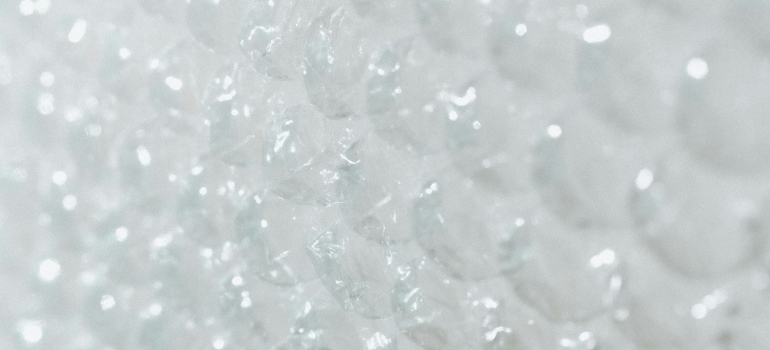
Cover banisters with felt, and use soft barriers to shield original plaster from impact. Avoid packing materials that can leave residue behind. Bubble wrap or stretch wrap can sweat when the temperature rises, especially near radiators or sunny windows. Stick to Tyvek, museum board, and breathable wraps for longer protection. One minor mishap can damage both your artwork and your home’s integrity, so don’t take shortcuts with materials.
How Do You Handle Art Insurance and Documentation Before a Move?
If you don’t have an inventory list and current appraisal for your collection, you’re leaving yourself open to major loss. Philadelphia movers may take every precaution, but things still happen in transit—especially in older buildings where walls shift and access is limited. Photograph each piece in detail before packing, including front, back, and any serial markings. Keep digital and printed copies. Include original purchase records and authenticity certificates if possible. For high-value collections, ask your insurer about fine art coverage separate from your standard home or renters policy.
Most moving insurance won’t fully cover rare or irreplaceable works without a special rider. If an item is being hoisted or moved through non-traditional access points, you’ll want a professional condition report before and after the move. Insurers often require these to validate claims. That means having a detailed record of current wear, flaws, and handling instructions that’s accepted industry-wide.
Why Should You Hire Art Handlers Who Know Philadelphia Homes?
General movers don’t always know how to navigate 200-year-old brownstones or federal-style townhomes with original woodwork. Philadelphia movers trained in white-glove service, on the other hand, understand the limits and layout quirks of the area and know how to move your art collection safely in historic homes of Philadelphia. They’ve worked in places with spiral staircases, uneven thresholds, and decorative millwork that can’t be touched. They bring equipment like hoists, dollies with suspension wheels, and lift straps to keep weight off fragile surfaces. More importantly, they know when a piece needs custom engineering or coordination with a preservation expert.

If you’re moving large installations or framed canvases taller than 48 inches, you’ll need more than strong arms. Professionals also recognize materials like shellac, oil-based paints, or gold leaf that require non-contact moving strategies. The benefit of hiring local experts isn’t just speed—it’s that they prevent costly damage to both your art and your home.
How to Move Your Art Collection Safely in Historic Homes of Philadelphia Without Risk
Moving into a historic home is exciting, but there’s no margin for error when fine art is involved. Every hallway, stairwell, and weather pattern in Philadelphia introduces risk. If you want to move your art collection safely in historic homes of Philadelphia, you have to think long-term from the start. It’s not just about putting art in a truck—it’s about protecting irreplaceable investments and preserving the value of a home built long before modern materials existed. Measure access points, track humidity, and pack correctly. Document everything. Don’t assume a standard mover will understand what’s at stake. With the right approach, your collection will arrive safely, and your home will stay intact.




