
Moving in Philadelphia means dealing with old homes, tight streets, and lease overlaps that rarely line up the way you need. That’s where short-term storage during your Philly move comes in handy. If you’re working with moving and storage Philadelphia teams, they’ll often recommend short-term storage as a way to ease the chaos, especially when you’re juggling renovations, new leases, or narrow delivery windows. A little breathing room between point A and point B can make all the difference. And if you time it right, the move gets smoother, your stuff stays protected, and you avoid rushed mistakes.
How Can You Handle Lease Gaps in Popular Philly Neighborhoods Without Losing Your Mind?
In places like Fishtown, Graduate Hospital, and Northern Liberties, leases almost never line up cleanly. If you manage to find some good short term storage in Philadelphia, you’ll have a solid backup plan when your current lease ends on the 25th and your new one doesn’t start until the 1st. This is a common headache here, especially during summer when apartment turnover peaks. Using short-term storage during your Philly move for even five days can save you the cost and stress of crashing in a hotel or begging friends for space. It also lets you clean both places properly, which can protect your deposit and leave a better impression with new landlords.

What’s the Smartest Way to Move When Your Philly Street Is Too Narrow for a Truck?
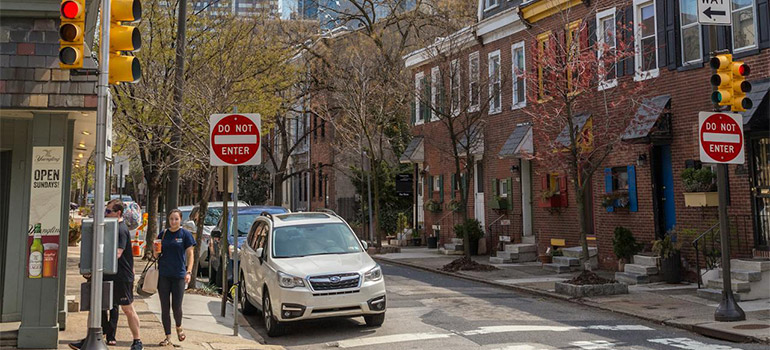
South Philly and Queen Village are known for rowhomes, but also for streets so tight you’re lucky if your car fits through. Sometimes moving services in Philadelphia include storage, which means you can unload your stuff into a unit nearby, then bring it into your new home bit by bit using smaller vehicles. That reduces the need for rushed double-parking, block-wide frustration, or getting slapped with a fine for taking too long. It’s especially useful when you’re moving during peak hours or when construction or trash pickups limit street access. You don’t need to wedge a 20-foot truck into a space the size of a minivan when you can store and stage instead.
What Should You Do With Furniture While Renovating Your Rowhome?
Homes in Point Breeze and Brewerytown often need some serious updates before they’re truly livable. Last minute movers in Philadelphia say people often underestimate how messy and disruptive those first few weeks of renovations can be. Drywall dust gets into everything, and floor sanding alone can damage furniture or rugs. Short-term storage during your Philly move lets you get the work done without living around tarps, tools, and constant cleanup. It also gives contractors more space to work, which might shave days off your project. When the time comes to move everything in, the house will be cleaner, safer, and far more ready for your stuff.
Why Do Permits and Parking Rules in Philly Make Storage a Smarter Option?
Even with permits, unloading in Philly can be a nightmare. Local movers in Philadelphia PA advise anyone who plans to move on a tight street to use short-term storage to avoid ticketing and towing. Temporary No Parking signs cost $25 to $50 per day—and even then, neighbors might ignore them. If you can’t block out time on the street or your moving window falls on trash day, you’re stuck. With a storage unit nearby, you can shift the pressure off one high-stakes moving day and handle your move across a few calmer ones. You can also wait for better weather, less traffic, or more help before taking your stuff the final stretch.
How Can Students and Parents Deal With the Philly University Moving Rush?
UPenn and Drexel generate massive move-in and move-out traffic in West Philly and University City every year. Long distance movers in Philadelphia recommend avoiding those dates whenever possible, but if you can’t, short-term storage gives you a flexible buffer. You don’t have to cram your move into the same 2-day window as thousands of others. This is especially helpful for out-of-state students or families arriving early to secure housing before the semester. You can rent a small unit for a few weeks, settle into a more stable pace, and bring items into your apartment as it becomes available.
What Do You Do With Bikes, Holiday Bins, and Skis Before a Tight South Philly Move?
Storage isn’t always about the big stuff—it’s about getting bulky, out-of-season clutter out of your way. Philadelphia interstate movers advise packing up holiday bins, beach gear, snow shovels, and anything else you won’t need right away, especially when moving into smaller South Philly homes. These houses often lack basements, and attic access isn’t always practical. Getting those extras into a short-term unit clears space to focus on essentials and makes unpacking feel less overwhelming. You can always grab them later when life settles down and you’ve had a chance to figure out your new layout.
How Can You Get Your House Market-Ready Without Tossing Everything You Own?
If you’re selling a home in areas like Kensington or East Passyunk, presentation matters. Downsizing services often work hand-in-hand with staging professionals who recommend removing personal items and bulky furniture before showings. Short-term storage gives you an off-site space to stash extra furniture, family photos, or kids’ toys so buyers can picture themselves in the home. It’s cheaper and less invasive than renting a pod for your driveway or trying to shove everything into one guest room. With clutter gone, your space feels bigger and shows better, which often leads to faster offers and better sale prices.

How Do You Keep Valuables Dry During One of Philly’s Classic Rainstorms?
Philly weather can turn without warning, especially in April and October. Storage experts know those are peak months for soaked boxes and warped furniture. Short-term storage solves this problem by keeping your stuff inside until the forecast clears. You don’t have to leave your mattress wrapped in plastic on the sidewalk or pray your electronics survive a drizzle. Even a one-day delay can prevent major damage. With storage as a backup plan, you’re not forced to push forward through the rain just to stick to a schedule. You can wait it out and keep everything in perfect condition.
What Happens When You Can’t Move Into Your High-Rise When You Want To?
Center City buildings often limit move-ins to strict windows—like Tuesdays from 9 to 2—with required elevator reservations and building staff on-site. Moving and storage crews deal with these restrictions constantly. Short-term storage helps when your move-in slot is days after your actual move-out. Rather than begging for early access or paying to reschedule your movers, you can offload everything into a secure unit, then move it up when the building allows. This gives you more control over the timeline and saves you from rushing or violating building policies. You get peace of mind while working within the rules.
What If Your Sofa Just Won’t Fit Up That Winding Philly Staircase?
Old homes in Philly—especially in neighborhoods like Bella Vista or Fairmount—often have narrow, winding stairs that make moving large furniture nearly impossible. Moving and storage pros say one of the best uses for short-term storage is buying time to figure out how to handle oversized pieces. If your couch doesn’t make it up the stairs, you don’t have to dump it curbside. Use storage to hold it while you find disassembly tools, rent a hoist, or swap it for something smaller. It’s a low-stress solution that gives you room to problem-solve without cluttering your new place or rushing into bad decisions.

How to Find Good Short-Term Storage in Philadelphia for Your Move
If you’re already juggling move-out dates, contractors, or tight city streets, the last thing you want is a storage unit that makes things harder. A solid storage facility should make your move easier, not more stressful. Here’s how to spot the good ones in Philly.
Look for Locations Close to Your Current or Future Neighborhood
Convenience matters. If you’re moving from Queen Village to Fishtown, don’t pick a facility out in the Northeast unless you want to spend your move stuck in I-95 traffic. Choose a unit within 10 to 15 minutes of either your current home or your new one so you can load or retrieve items quickly without wasting gas or time.
Prioritize Facilities With Ground-Level or Drive-Up Access
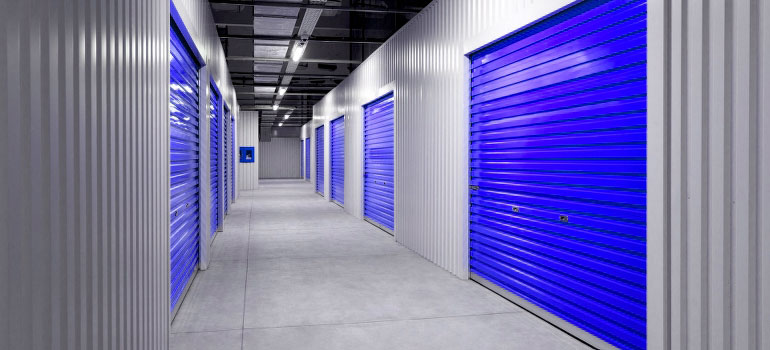
Dragging a couch up three flights in the heat isn’t worth it. Look for storage units that offer drive-up access or at least ground-floor loading. In places like South Philly or Manayunk, where parking is already a nightmare, drive-up options let you avoid lifting and lugging everything up stairs or elevators.
Make Sure There’s Secure, Flexible Access Hours
You might need to grab your stuff early before work or late after your move-in window closes. Some storage facilities offer 24/7 access, but double-check. At a minimum, aim for extended evening hours and weekend access. It’ll save you from awkward scheduling or paying extra for access outside the regular 9 to 5.
Check for Climate Control—Especially in Summer
Philly gets brutally humid. Electronics, artwork, and leather furniture don’t hold up well in storage units without climate control. Look for a facility that keeps temperatures stable, especially if you’re moving in July or August. It might cost a bit more, but it can prevent serious damage.
Read Reviews and Compare Photos Before Booking
A lot of Philly storage spots look polished online but turn out sketchy in person. Read recent reviews and look for red flags like theft complaints, pest issues, or billing problems. If the place looks run-down or the front office is barely staffed, move on. A little research now saves a major headache later.

How to Pack Items for Short-Term Storage in Philly
Packing for short-term storage in Philadelphia isn’t the same as packing for a cross-country move. You’re storing items temporarily, but you still need to protect them from heat, moisture, dust, and city-related chaos. Here’s how to pack when you are using short-term storage during your Philly move.
- Use sturdy plastic bins whenever possible – Philly summers are humid, and cardboard can weaken fast even in short-term storage during your Philly move. Plastic totes keep moisture and pests out.
- Label everything clearly – You don’t want to dig through five boxes to find a cable or a coffee maker. Label each bin with what’s inside and which room it came from.
- Avoid overpacking boxes – Heavy bins are harder to carry, especially up narrow staircases or into elevators. Stick to 40 lbs or less per box if possible.
- Wrap furniture in breathable covers – Don’t use plastic wrap on wood furniture. It traps moisture. Use blankets or fabric wraps to protect from scratches and temperature changes.
- Disassemble large items – Take apart bed frames, shelves, and tables to save space. Keep screws in labeled bags taped to each item.
- Keep essentials toward the front – Pack the things you might need soon—like extra bedding, fans, or kitchen basics—near the front of your unit for easy access.
- Use pallets or boards to raise items off the ground – If your unit isn’t climate controlled, this helps prevent moisture damage, especially in older buildings or garages.
- Don’t store perishables or anything scented – That includes candles, food, or open toiletries. They can melt, leak, or attract bugs.
- Protect electronics with proper padding – Use anti-static bubble wrap and store them in original boxes if you have them. Philly’s power grid can be unpredictable, so insulation helps.
- Leave a walking path inside your unit – It sounds simple, but most people forget. Leave room so you can reach items in the back without unpacking the whole thing.
What You Need to Know to Make Short-Term Storage During Your Philly Move Work
If you’re counting on short-term storage during your Philly move, details matter. Reserve a unit early if you’re moving in peak season or near school turnover dates. Make sure it’s near your current or future home to cut down on wasted time. Check access hours—24/7 is ideal—and confirm if climate control is available, especially if you’re moving in the summer. Pack plastic bins instead of cardboard to guard against humidity, and leave a walkway so you can reach what you need without unpacking everything. Raise items off the floor in older buildings, skip anything scented or perishable, and label clearly. Storage works best when it’s part of your plan—not a last-minute scramble. Use it to your advantage, and the rest of the move gets easier.




