
Moving in Philadelphia often comes with unique challenges, but safe planning makes everything smoother. People who need to handle lithium batteries during a Philadelphia move must pay close attention to safety, since these items come with special risks and rules. Working with Philadelphia movers who already know the local requirements can ease the process and help avoid costly mistakes. Safe handling means fewer delays, less stress, and better protection for your electronics and household. With the right approach, even sensitive items like lithium batteries can be managed without problems, and you’ll know your move is secure and compliant.
What Rules Apply To Lithium Batteries When Moving In Philadelphia?
Federal law and local restrictions affect how lithium batteries are moved, and ignoring them can create serious issues. Professionals providing moving services in Philadelphia are seeing more clients run into limits on what movers can legally transport, especially when it comes to high-capacity batteries for e-bikes, scooters, or power tools. The Department of Transportation has strict rules on packaging, labeling, and transport, while Philadelphia itself restricts certain types of disposal and requires proper drop-off for damaged batteries.

Movers may decline to handle lithium batteries entirely if they do not meet safety standards, leaving it to the customer to arrange separate transportation. Have you considered what happens if you load these into a truck without preparation? Fires, fines, and even rejected shipments are possible. Knowing how to handle lithium batteries during a Philadelphia move makes sure your relocation day isn’t disrupted.
Key Regulations To Know
Philadelphia residents face both federal and local restrictions when transporting lithium batteries. Knowing these rules avoids fines, delays, and rejected items.
- DOT requires proper packaging and labeling for larger batteries
- FAA prohibits certain lithium batteries on planes if improperly packed
- Philadelphia bans battery disposal in household trash
- Movers may legally refuse high-capacity batteries
- Hazardous waste permits apply to damaged or leaking batteries
How Should Lithium Batteries Be Packed Safely?
Safe packing reduces risk more than anything else, but many overlook the details. Last minute movers in Philadelphia have seen clients throw loose batteries into boxes, which is dangerous because of potential short circuits. The safest option to handle lithium batteries during a Philadelphia move is to use the manufacturer’s original packaging. But if that’s not available, wrap each battery separately, tape over the terminals, and place them in protective plastic cases or sealed bags.
Cushioning inside sturdy boxes helps prevent movement during transit. Philadelphia’s humid climate in the summer adds another layer of risk, so keeping moisture away with sealed bags is also important. Think about what would happen if a battery got punctured or overheated during the move—packing properly prevents those outcomes.
Best Packing Materials
Correct materials lower the risk of short-circuits or damage. Movers prefer clients use protective layers and separation methods.
- Original manufacturer packaging if available
- Electrical tape over battery terminals
- Plastic bags for individual batteries
- Hard plastic battery cases
- Cushioning with bubble wrap or foam inside strong boxes
What Battery Sizes And Types Matter Most During A Move?
Not all lithium batteries are treated the same, which is where many people get caught off guard. Local movers in Philadelphia PA, participated in many situations where clients didn’t know that larger batteries above certain watt-hour limits come under stricter DOT control. Small household batteries for cameras or handheld devices usually pose less risk, but bigger ones for power tools, e-bikes, or backup power stations require extra care.
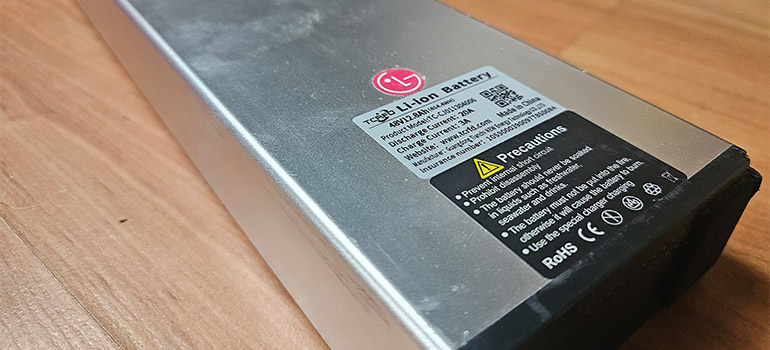
These may need to be transported separately or even prohibited from moving trucks entirely. The watt-hour rating, usually printed on the battery, determines which rules apply. Have you checked the rating on your devices? If not, now is the time before moving day forces you to leave them behind.
Size And Type Differences
Different batteries fall under different restrictions, making size a key factor in moving.
- Small batteries under 100Wh (phones, cameras) are usually safe
- Medium batteries 100–300Wh (laptops, drones) face restrictions
- Large batteries over 300Wh (e-bikes, backup power) often banned from moving trucks
- Power tool batteries need extra insulation
- Damaged or swollen batteries require disposal, not transport
How Can Philadelphia Heat Increase Risks With Lithium Batteries?
Philadelphia summers bring sweltering temperatures, and inside a moving truck the heat multiplies quickly. Long distance movers in Philadelphia recommend separating batteries from enclosed truck environments when possible, since heat accelerates the risk of swelling, leaking, or fire. Even a parked truck on a sunny day can reach over 120°F, which is high enough to stress lithium cells.
Keeping batteries in climate-controlled cars or removing them from heat-sensitive devices makes a major difference. Would you leave a laptop in a hot car for hours? Then it makes sense not to leave batteries in a moving truck exposed to the same heat. Extra attention during the hottest months ensures your move remains safe.
Steps To Reduce Heat Risk
Summer heat inside trucks can damage batteries, so extra precautions are necessary.
- Avoid storing batteries in moving trucks for long periods
- Use insulated coolers or containers in your car
- Park vehicles in shaded areas on moving day
- Do not leave batteries in direct sunlight while loading
- Monitor high-capacity batteries for swelling or heat buildup
Why Should Lithium Batteries Be Kept Away From Flammable Items?
Mixing batteries with flammable materials turns a small mistake into a major hazard. Philadelphia interstate movers say that too many people toss cleaning chemicals, paints, or even aerosol sprays in the same boxes as lithium batteries, which is dangerous. The chemical reaction from one short-circuit can ignite surrounding items and spread rapidly in a truck.

Keeping batteries isolated in clearly marked boxes ensures they don’t come into contact with items that can fuel a fire. Have you thought about how a single spark could ruin an entire move? Proper separation is a simple step that saves far bigger problems later.
Safe Separation Practices
Batteries mixed with fuels or chemicals can ignite, so separation is vital.
- Pack batteries in separate boxes from flammables
- Store cleaning supplies and aerosols away from electronics
- Label boxes with “Batteries – Do Not Mix With Chemicals”
- Keep paint cans, propane tanks, and fuels outside moving trucks
- Never place batteries near solvents or adhesives
Is It Safer To Transport Lithium Batteries In Your Own Car?
Sometimes the best solution is personal responsibility. Move management experts note that batteries are safer when carried in your own car, where temperature, positioning, and handling are easier to control. Movers often exclude lithium batteries from their contracts, and even when they accept them, liability remains limited.
Carrying them with you allows quick response if any signs of overheating or swelling occur. Think about it—wouldn’t you feel better knowing those batteries are under your watch instead of buried in the back of a hot truck? Personal transport may be less convenient, but it’s often the safest path.
How To Transport Lithium Batteries Yourself
Personal transport allows greater control over temperature and handling.
- Place batteries in a climate-controlled part of the car
- Keep them upright in protective cases or boxes
- Avoid storing them in the trunk on hot days
- Check periodically during long trips for overheating
- Keep critical devices (phones, laptops) within reach
Where Can You Dispose Or Recycle Lithium Batteries In Philadelphia?
Not every battery is worth keeping, and disposal in Philadelphia follows strict guidelines. Shipping companies in Philadelphia regularly direct residents to authorized recycling sites since throwing batteries in the trash is both illegal and unsafe. Philadelphia Sanitation Convenience Centers accept household batteries, but damaged or swollen lithium batteries often require drop-off at designated hazardous waste collection sites.
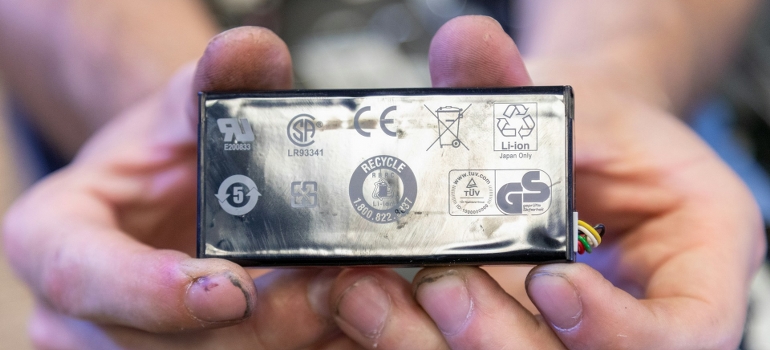
Retailers like Home Depot or Best Buy may also accept certain types for recycling. If your move includes decluttering, disposing of old or damaged batteries properly protects both your home and the environment. Isn’t it easier to get rid of problem items now rather than risk moving them?
Philadelphia Disposal Options
The city offers multiple safe ways to recycle or dispose of batteries legally.
- Sanitation Convenience Centers – Six locations across the city, open Monday through Saturday, 8 a.m. to 6 p.m., accept rechargeable and lead-acid batteries.
- Household Hazardous Waste Collection Events – Seasonal events at sites like State Road (Northeast), Parkside Avenue (West Philly), and Domino Lane (Northwest) for damaged or swollen batteries.
- Home Depot – Locations on Columbus Blvd., Oregon Avenue, and Castor Avenue have recycling bins for rechargeable batteries.
- Lowe’s – Stores on Roosevelt Boulevard and Aramingo Avenue accept batteries for recycling.
- Staples – Chestnut Street and Columbus Blvd. locations provide collection bins for small batteries.
- Best Buy – Stores on Columbus Blvd. and Roosevelt Boulevard take rechargeable and lithium batteries.
- Transport Cycles – Shops in Kensington (Howard Street) and South Philly (Bok Building) recycle large e-bike batteries.
How Should You Label And Store Lithium Batteries During A Move?
Clear labeling helps you to handle lithium batteries during a Philadelphia move safely. Movers need to know exactly which boxes contain batteries so they can treat them with caution. Philadelphia movers may even require boxes containing lithium batteries to be marked before accepting them. Storing them upright in sturdy, insulated containers helps reduce impact risk during transport.
Keeping them separate also makes unloading easier, since they can be quickly identified and removed from hot environments if necessary. Would you want your fragile electronics tossed around with heavy furniture? Proper labeling ensures everything is treated with the care it needs.
Proper Labeling Tips
Labels and storage practices help movers identify and handle batteries safely.
- Mark boxes with “Lithium Batteries – Handle With Care”
- Store upright in rigid containers
- Use cushioning to prevent shifting during transport
- Separate battery boxes from furniture or heavy items
- Keep them near the truck door for quick unloading
What Insurance And Liability Issues Should You Expect?
Liability is often overlooked until something goes wrong, but batteries make the subject unavoidable. Movers limit their responsibility when transporting lithium batteries because of the added fire risk. If a battery causes damage, your policy may not cover it. This is why documenting batteries, keeping receipts, and checking with your mover about exclusions is essential.

Some insurance carriers even require extra riders for hazardous materials. Wouldn’t you rather know the limits before assuming you’re covered? Clarifying liability avoids disputes if accidents occur, and it protects both your belongings and your finances.
Insurance Considerations
Insurance coverage for lithium batteries is limited, so double-check before moving.
- Ask movers about exclusions for lithium batteries
- Document batteries with photos and receipts
- Consider extra coverage for electronics with built-in batteries
- Know that movers may refuse liability for hazardous items
- Review homeowner’s insurance for possible overlap
How Should Electronics With Built-In Lithium Batteries Be Handled?
Phones, laptops, tablets, and power banks all rely on lithium batteries, and mishandling them could ruin devices. Built-in batteries can’t always be removed, which means they must be packed carefully. Wrapping devices in bubble wrap, keeping them in hard-sided cases, and ensuring they are charged to about 30–50% capacity helps maintain stability.
Movers typically allow these devices when packed properly, but they still recommend carrying critical ones with you. Think about it—would you trust a moving truck with your laptop full of personal files or your only phone? Preparing electronics the right way ensures they arrive safely and ready to use.
Preparing Electronics Safely
Devices with built-in batteries require special preparation to travel without damage.
- Charge devices to 30–50% capacity before moving
- Wrap in bubble wrap or foam sleeves
- Place in hard-shell cases for added protection
- Carry sensitive devices like laptops with you
- Avoid packing them at the bottom of heavy moving boxes
How Do You Safely Handle Lithium Batteries During A Philadelphia Move?
When you need to handle lithium batteries during a Philadelphia move, planning ahead keeps both your belongings and your move safe. Each detail, from packing methods to Philadelphia disposal rules, plays a role in preventing accidents and meeting legal requirements. Choosing responsible options, like separating batteries from flammables or carrying them personally, lowers the risks significantly. With clear labeling, correct packing, and the right disposal for unwanted items, you remove much of the stress that comes with transporting sensitive materials. Remember that handle lithium batteries during a Philadelphia move isn’t something to leave for the last minute—smart preparation today avoids problems tomorrow.




